


Motorized Shades NYC Smart Window Treatments for Busy City Living
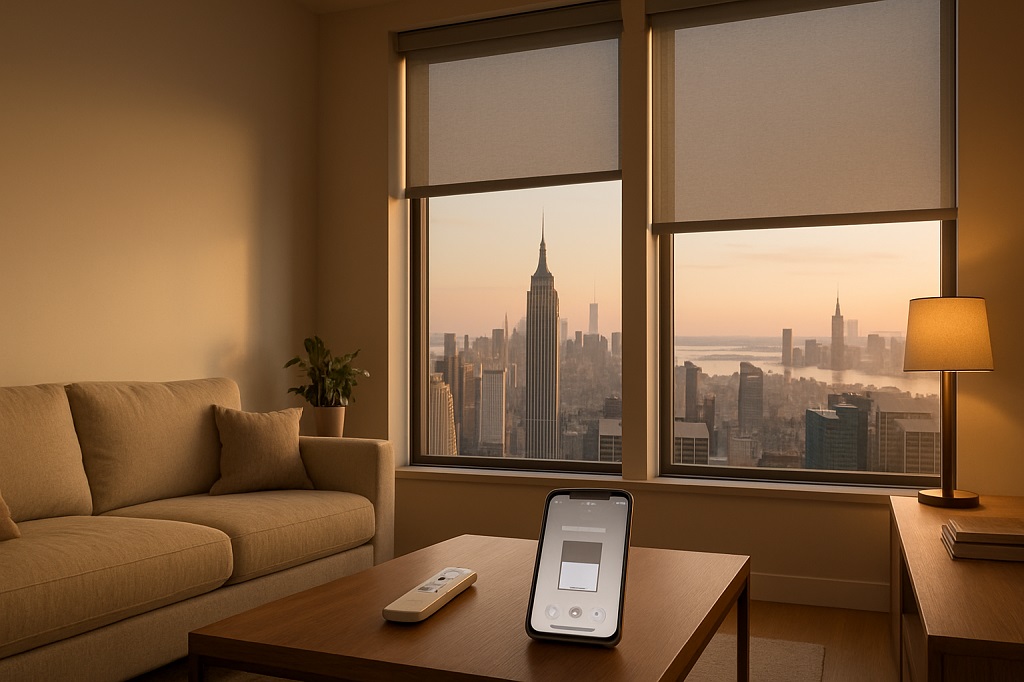
If city life feels nonstop, shades nyc buyers increasingly choose motorized options because they save time, tighten privacy control, and make daily light management effortless. In this guide to shades nyc, the focus stays on practical decisions that matter in real apartments, townhomes, and commercial spaces.
Why motorized shades fit NYC life
Motorized shades help manage light and privacy fast, which matters when meetings, commutes, and errands compress the day. With scheduling, shades can open and close automatically, so the home stays comfortable without constant manual adjustments.
For many New York homes, street facing windows demand quick privacy changes, especially in entry areas and bedrooms. Scheduled routines also help maintain privacy even when no one is home, and they can make the space look occupied while traveling.
How motorized and smart control works
Motorized window treatments use a built in motor to raise, lower, or adjust the shade. Many setups offer remote control, app control, and optional voice control, depending on the system you choose.
What separates smart shades from basic motorized shades is automation. Instead of only pressing a button, you can create routines like weekday mornings, work hours, and evening privacy, then override them anytime with a tap.
Choosing the right shade type
The best motorized setup starts with the right shade category, because fabric and construction affect glare control, insulation, and privacy.
Roller shades for clean lines
Roller shades work well in modern interiors and pair naturally with automation because the motion is simple and consistent. They are a strong choice for living rooms and offices where glare control needs quick, frequent adjustments.
Cellular shades for comfort
Cellular styles can help reduce drafts and improve comfort near large windows. Automation makes them more useful because you can close them during peak sun and open them when the room can benefit from natural light.
Solar shades for daylight and privacy balance
Solar shades are popular when you want daylight while softening harsh sun and maintaining daytime privacy. In bright NYC rooms, small adjustments throughout the day often feel better than leaving shades fully open or fully closed.
Room by room setups that actually help
Busy city living rarely matches a perfect catalog layout, so it helps to plan by how each room gets used.
Bedroom privacy without effort
Motorized shades make it easier to protect privacy quickly, especially on lower floors or in buildings with close sightlines. A scheduled close time also reduces the nightly hassle of walking from window to window when the day runs late.
Home office glare control
If a desk faces a bright window, instant adjustments can reduce screen glare and keep video calls looking professional. The biggest win is consistency, because lighting can change quickly from morning to afternoon.
Hard to reach windows and skylights
NYC spaces often include tall window walls, awkward corners, or overhead glazing in renovated units. Motorization makes these windows practical to use daily, not just when someone feels like climbing or stretching to reach a cord.
Features worth paying for
Not every upgrade matters equally, so focus on features that solve daily pain points.
- Scheduling that opens and closes shades at set times for predictable mornings and calmer evenings.
- Scenes that adjust multiple windows together so the living room changes in one tap instead of five separate pulls.
- Cordless operation that keeps things tidy and improves safety for kids and pets.
- Remote access that lets you adjust shades while away, which helps with travel routines and peace of mind.
Noise matters more than most people expect. If quiet is important, it is worth hearing the motor in person before finalizing your selections.
Energy efficiency and comfort in real terms
Motorized shades can support lower energy use when they close during hot afternoon sun and open when conditions are cooler. Even without perfect automation, the ability to react quickly to glare and heat makes comfort easier to maintain in rooms with strong daylight.
The most effective approach is simple: match the fabric to the room’s needs, then set a routine that aligns with how the sun hits that window. A west facing living room, for example, usually benefits from a different schedule than an east facing bedroom.
Design options that still feel personal
Smart shades should not look like gadgets. Fabrics, textures, and light filtering levels do more for the room’s mood than the motor does, so choose materials that match floors, wall colors, and furniture finishes.
For a layered look, pair motorized shades with drapes or soft treatments, especially in bedrooms and formal living areas. This adds softness, broadens your light control range, and keeps the space feeling warm rather than overly minimal.
NYC commercial use cases
Motorized shades also make sense in offices, studios, hospitality spaces, and street level retail where lighting affects comfort and presentation. They help keep conference rooms consistent, reduce glare on screens, and support a polished look throughout the day.
Automation also reduces the chance that staff forgets to adjust window coverings when daylight shifts. In client facing spaces, that consistency can improve the overall experience without adding work to the team.
What to expect during consultation and install
A smooth project starts with accurate measurements and clear decisions on privacy level. The best results come from planning how each room should behave on weekdays and weekends, then setting a few routines you will actually use.
For larger projects, prioritize the windows you interact with most, usually the living room, bedroom, and home office. That approach delivers noticeable benefits quickly, then you can expand to secondary rooms.
Key takeaways
- Convenience improves when shades adjust instantly and on schedule, instead of relying on manual habits.
- Privacy stays consistent for street facing rooms, entry areas, and bedrooms, including while away.
- Efficiency improves when shades close to block heat gain and open when natural warmth helps.
- Safety benefits from cordless operation, especially with children and pets at home.
- Reach is no longer a problem for tall windows and skylights when motorization handles daily movement.
Common smart shade capabilities referenced above include scheduling and app control for automated daily routines.
Are motorized shades worth it in NYC apartments
Motorized shades are typically considered worth it when convenience, automation, and easier day to day light control matter more than the lowest upfront cost. Many homeowners also choose them for scheduled privacy and the ability to make the home look occupied while away.
Should you choose battery powered or hardwired motorized shades
Battery powered shades are often chosen for simpler installation because they do not require electrical wiring, and they can be a good fit for rentals or windows far from power. Wired shades are better for frequent daily use and can support deeper smart home integration, especially when multiple automations run every day. Battery packs may need recharging over time and typically need replacement after a few years, so maintenance expectations should be part of the decision.
How much do motorized shades cost in NYC
NYC pricing varies by product type, but one published 2025 guide lists motorized roller shades at about $650 to $1,200 per window and motorized cellular shades at about $700 to $1,300 per window. The same guide shows many motorized shade categories falling in a broader range of roughly $650 to $1,500 per window depending on fabric, size, and customization level. If you want a tighter estimate, the biggest drivers are window dimensions, the number of windows, and whether the project is standard motorized or fully automated across rooms.